Balance and falls confidence
Exercises selected to support steadiness, safer movement and confidence around the home.
For older adults and families
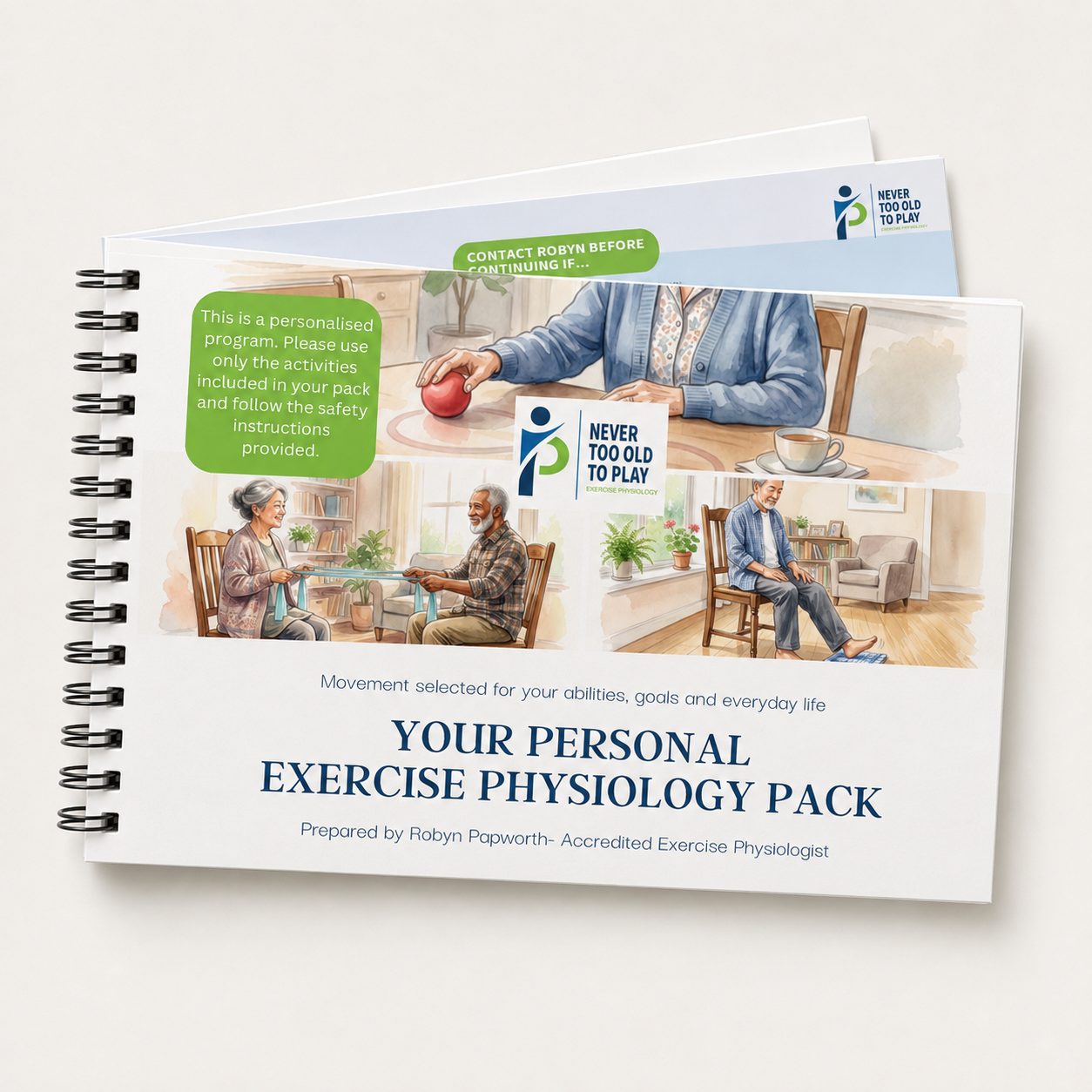
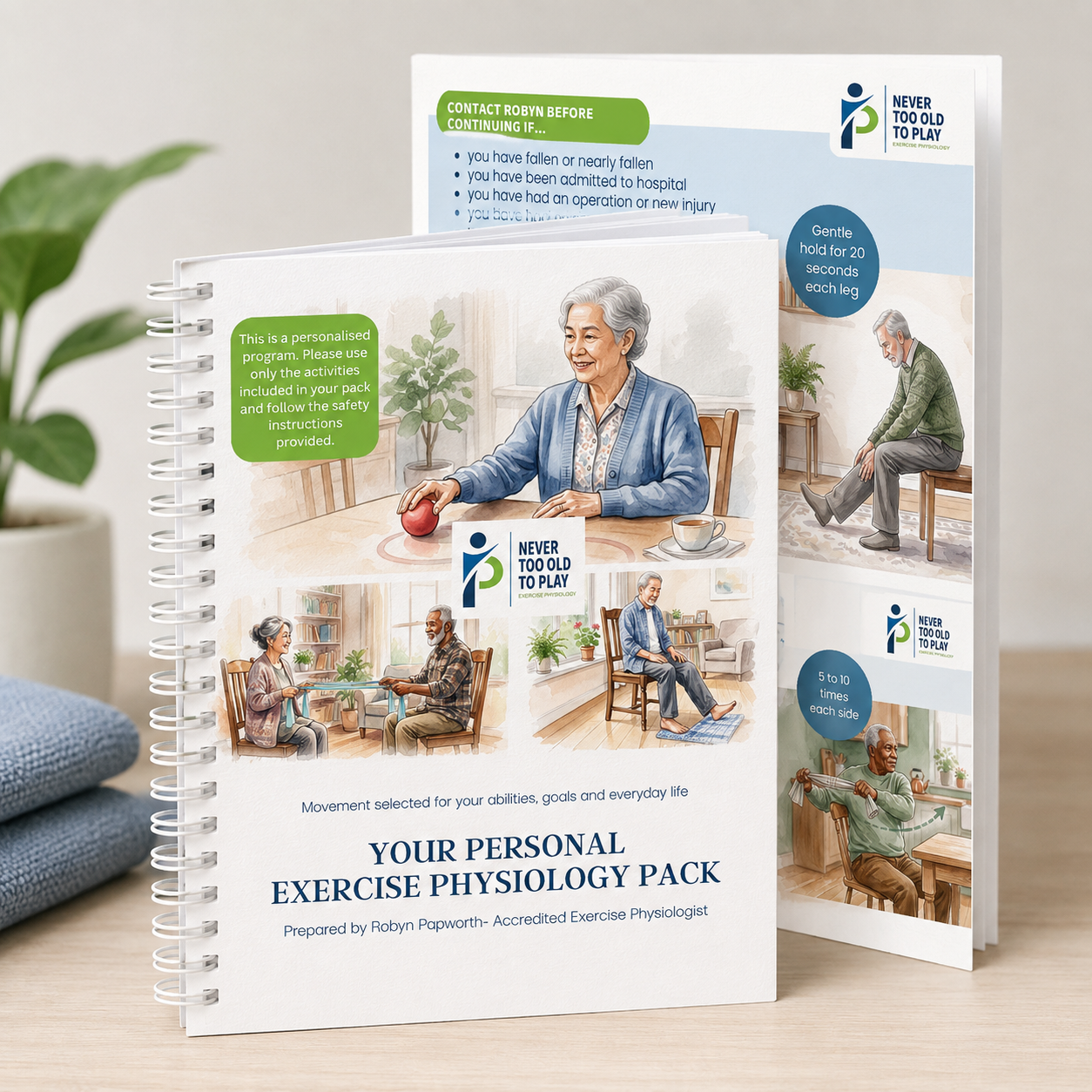
Your Personal Exercise Physiology Pack is created around one person's balance, mobility, pain, strength, health history and everyday goals.
Personalised clinical support
Exercises are selected for the individual after Robyn reviews the required assessment information.
What could the pack focus on?
Exercises selected to support steadiness, safer movement and confidence around the home.
Practical movements that may support standing from a chair, walking, reaching and carrying.
Gentle exercise options selected around comfortable movement and everyday function.
Movement support for dressing, reaching, turning and moving more comfortably.
Meet Robyn Papworth
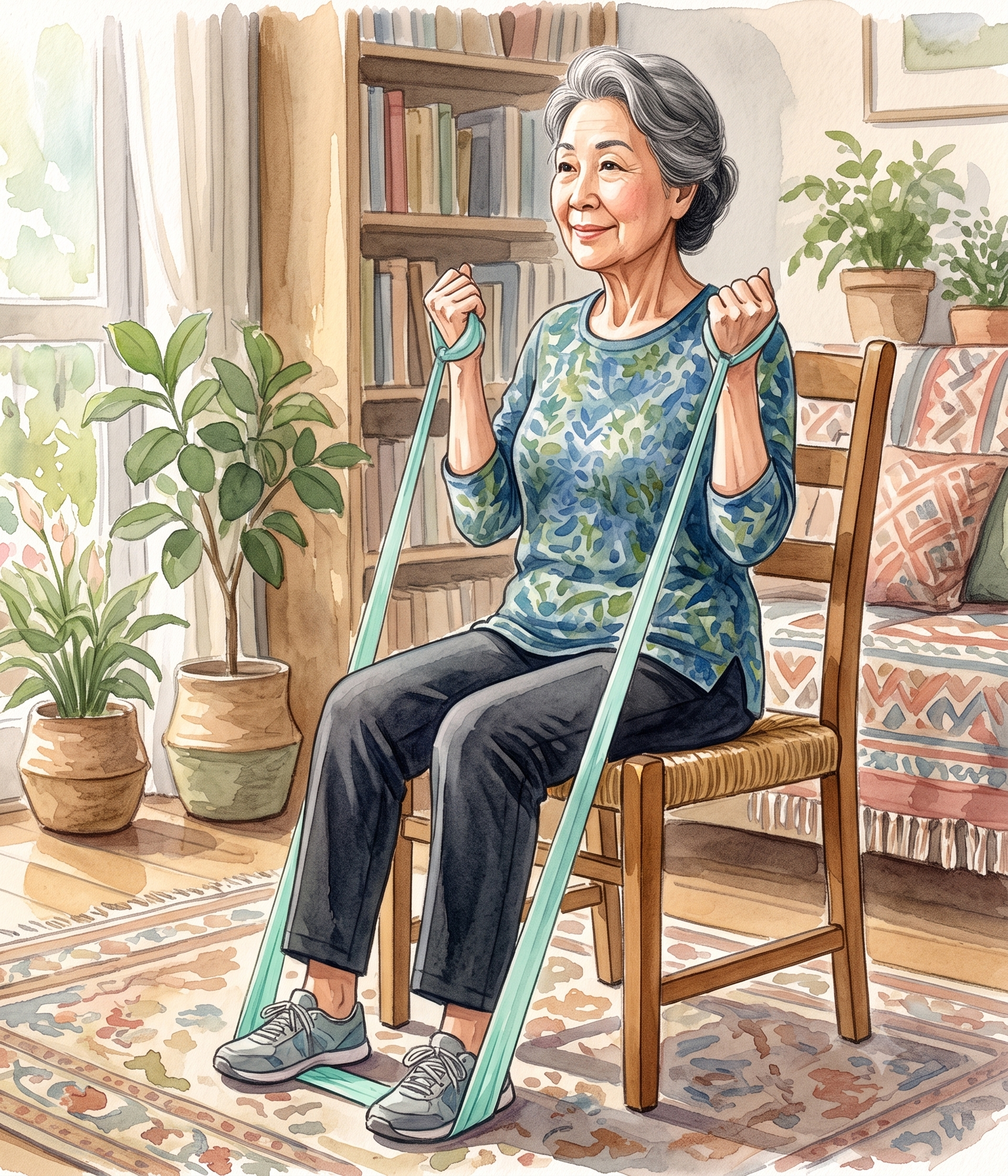
Robyn is an ESSA registered Exercise Physiologist with 15 years of experience.
Balance
Falls prevention and confidence with everyday mobility.
Movement
Strength, flexibility and practical daily function.
Manageable
A smaller collection of purposeful exercises rather than an overwhelming program.
Your Personal Exercise Physiology Pack
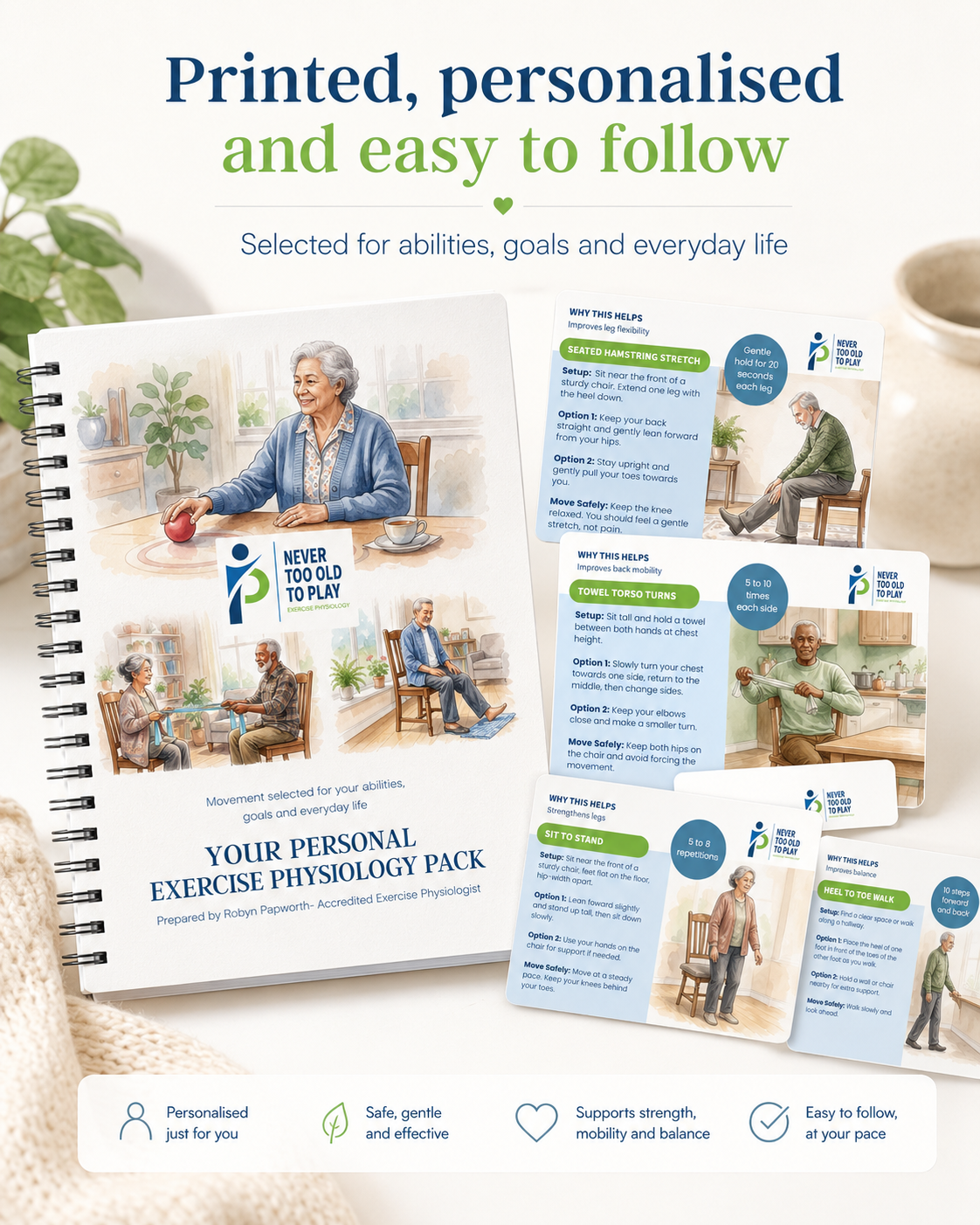
Approximately 10 to 15 personalised exercise cards
Clear printed instructions in easy to read language
Exercises selected around health, mobility and everyday goals
A simple weekly movement guide
Personalised safety and modification notes
Printed delivery anywhere in Australia
Personal Exercise Physiology
Exercise choice is based on individual assessment, health, mobility, falls risk, pain and functional goals.
Co Regulation Sensory Cards
The sensory cards are a separate general resource for connection, rhythm, sensory experiences, conversation and meaningful activity.
Explore the sensory cardsAssessment and risk management
Begin with the secure online suitability check so Robyn can identify whether more information is needed before the service proceeds.
Robyn reviews the health, balance, mobility, falls and home safety information. The website does not automatically approve exercises.
The telehealth questionnaire forms part of the Exercise Physiology assessment and risk management process and must be completed before the personalised program is prepared.
Robyn may ask for more information, recommend a Zoom consultation or ask the person to seek advice from a treating health professional before proceeding.
Robyn confirms the service and provides a quote where required. If aged care funding is being requested, provider approval should be obtained before invoicing.
Once the assessment process is complete and the service has been confirmed, Robyn selects the appropriate exercises and prepares the personalised printed pack.
Telehealth questionnaire
The questionnaire provides additional health, mobility, falls and home information for Robyn to review before the program is finalised.
Completing the questionnaire does not automatically mean standing, balance or other exercises are appropriate.
Prefer paper?
Robyn can mail a printed questionnaire so it can be completed by hand and returned for review.
Request a printed questionnaireReturning the questionnaire
Never too Old to Play
7 Meadowgate Drive
Chirnside Park
Robyn reviews the questionnaire before exercises are selected.
Using aged care funding
If you would like to ask an aged care provider to fund the Exercise Physiology service, Robyn can prepare a quote and supporting information for them to review.
Funding is not automatic. Wait until the provider confirms approval and payment arrangements before the invoice is issued.
Read about aged care fundingIf funding is being requested
Tell Robyn you would like to request aged care funding.
Robyn prepares the quote and requested professional information.
Your provider reviews the request and confirms whether it is approved.
The invoice is issued after the payment arrangement is confirmed.
From the Senior Home Connection blog
These articles explain some of the thinking behind personalised Exercise Physiology, including falls confidence, everyday movement and how families can support without simply taking over.
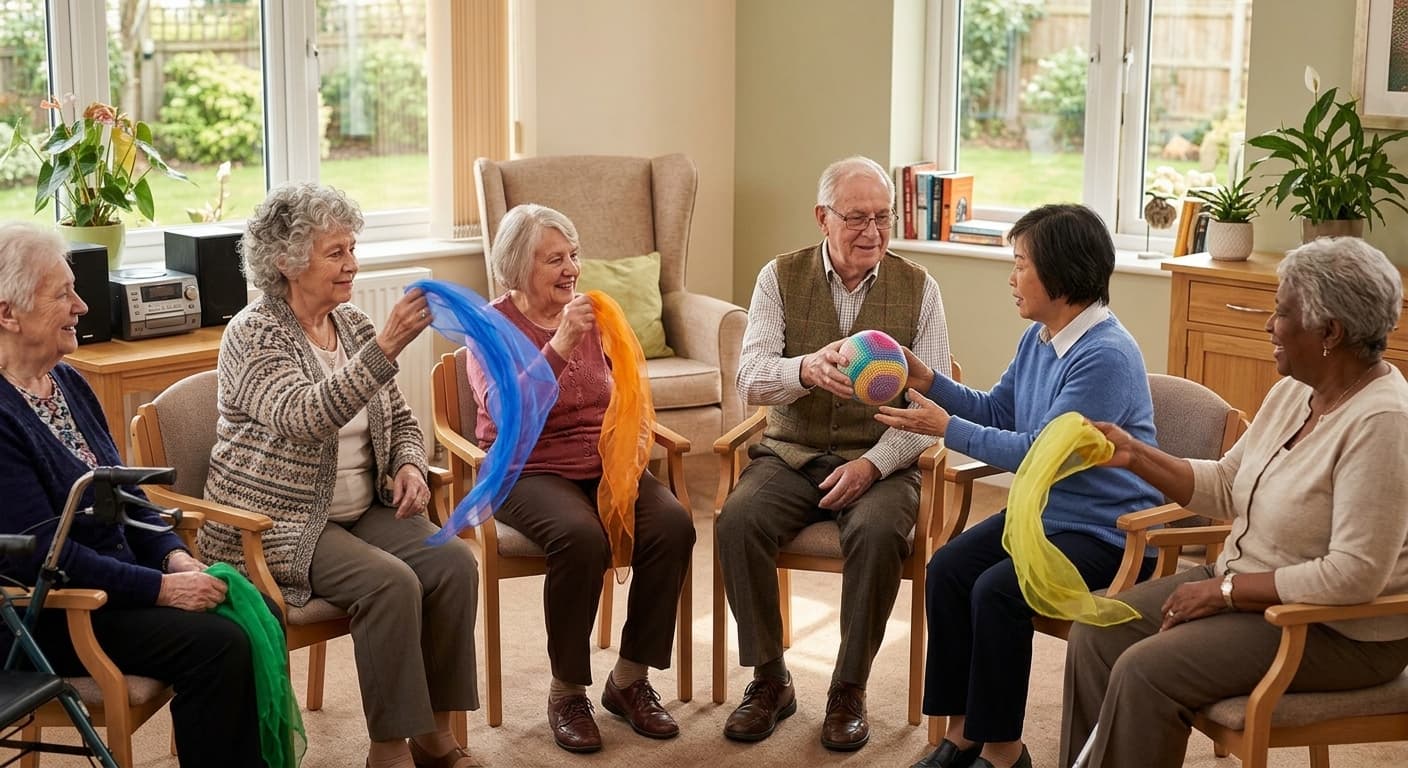
Choice, connection and participation
It can be hard when someone you love keeps saying no to help, movement, activities or leaving the house. Sometimes the most useful response is not to push harder, but to slow down and work out what the no may be telling you.
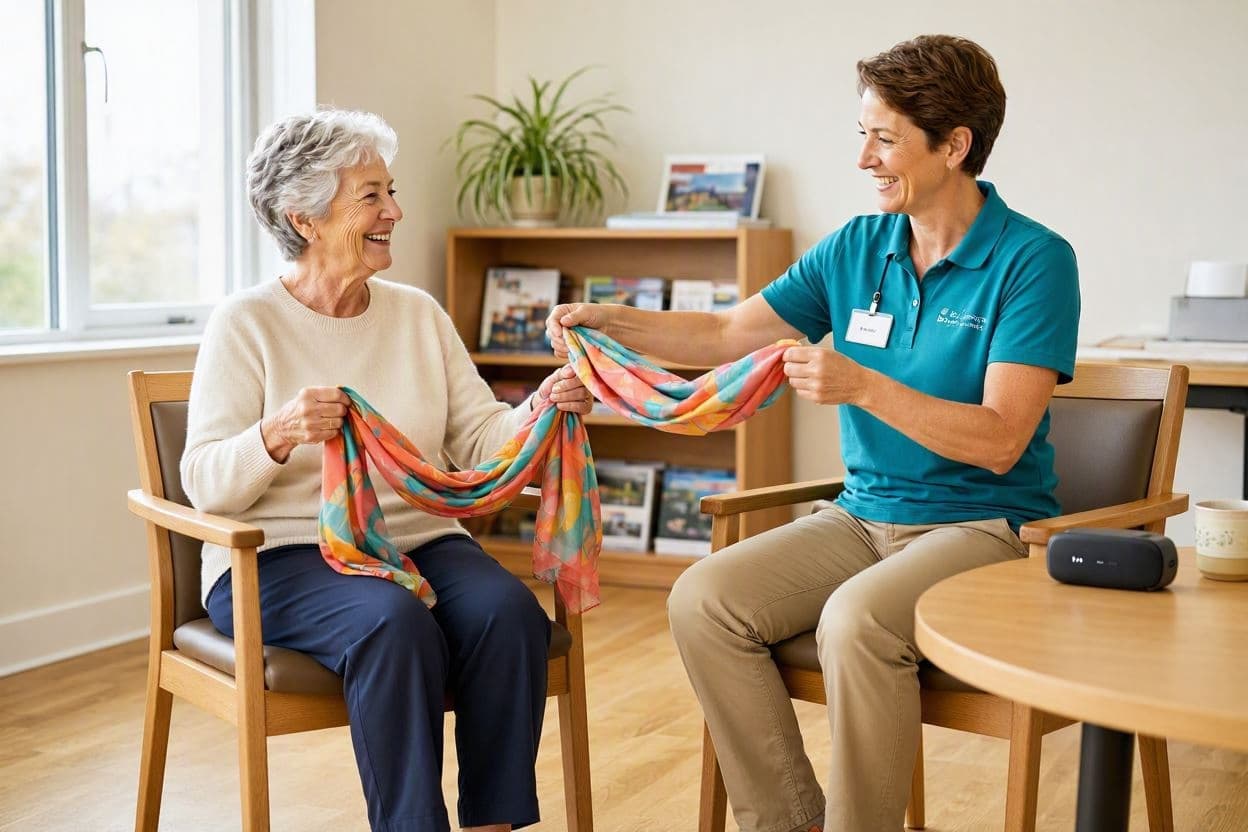
Falls prevention and confidence
Falls prevention is not simply about telling someone to sit down or encouraging them to have a go. Safety, confidence, strength, balance and the person's individual risks all need to be considered together.
Family support and participation
When you care about someone, it is natural to want to make life safer and easier for them. The difficult part can be knowing when to help and when to leave room for them to keep doing things in their own way.
First step
This gives Robyn the first information she needs before guiding you through the remaining Exercise Physiology assessment process.