For one team
Begin with enough copies for the workers who are most likely to use them.
Meaningful Moments
Practical support for organisations wanting to strengthen choice, participation, contribution and connection during ordinary home and community visits.
A practical place to begin
Start with something your workers can use
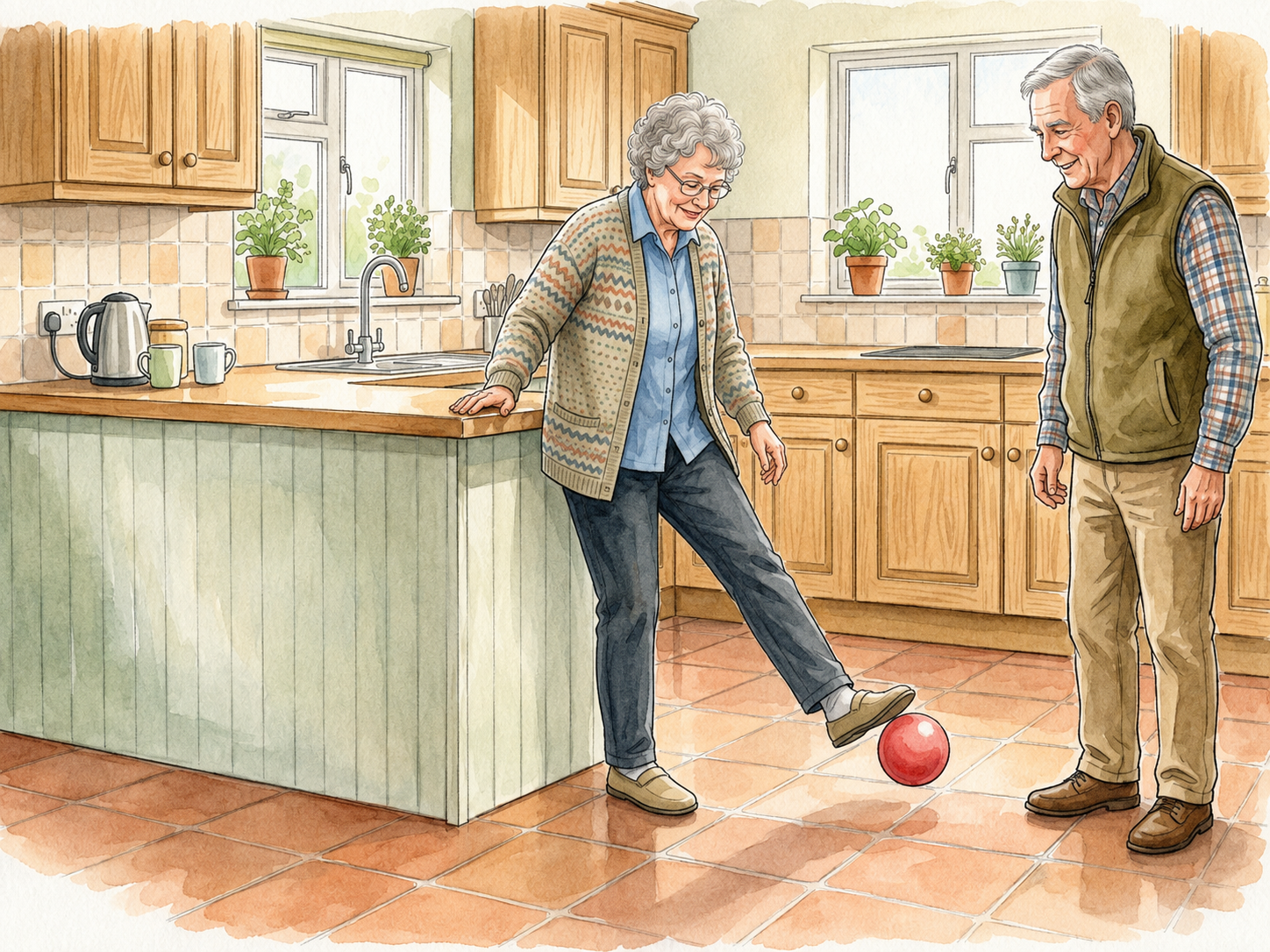
The cards give workers practical ideas involving movement, sensory experiences, rhythm, familiar objects, conversation and meaningful activity.
They can sit somewhere accessible so a worker has something useful to reach for during an ordinary visit.
Begin with enough copies for the workers who are most likely to use them.
Ask Robyn about printed sets or a licensed print option for multiple teams or sites.
When your service wants to go further
The broader offer helps organisations look at how workers create opportunities for involvement throughout ordinary support, not just when someone picks up an activity card.
Look for genuine decisions the person can make during ordinary routines.
Find realistic ways for the person to remain involved rather than automatically doing everything for them.
Notice opportunities for someone to help, prepare, organise or take part in something that matters.
Make room for conversation, shared activity and human interaction within the visit.
Everyday participation
Choosing ingredients, stirring, carrying something light or setting up morning tea.
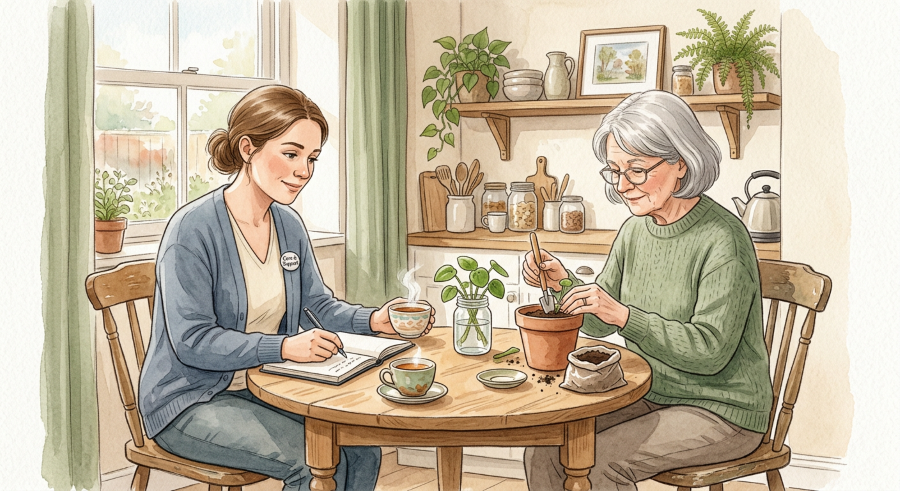
Watering plants, folding towels, choosing clothing or organising familiar belongings.
Walking to the garden, checking the letterbox or spending time somewhere the person enjoys.
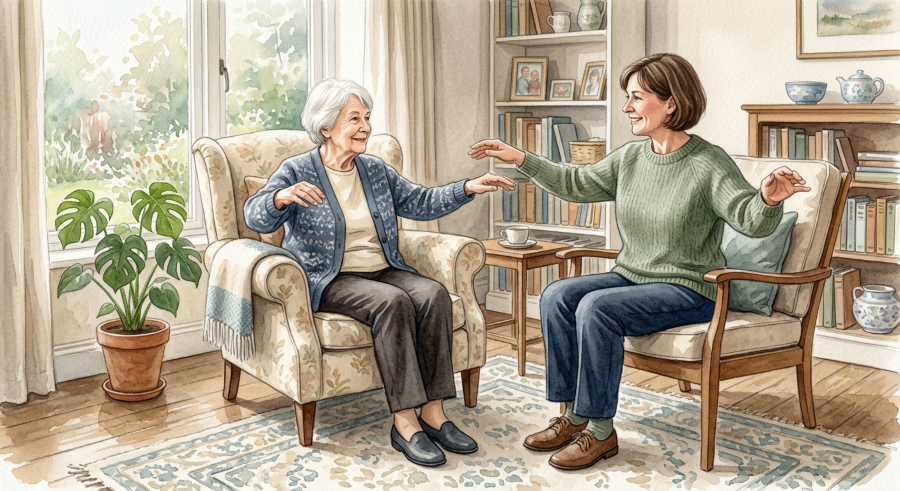
Music, photographs, craft, familiar objects, conversation or an activity connected to the person's interests.
A simple shared approach
Notice
Notice what the person is interested in, communicating and already doing before deciding what support should look like.
Offer
Offer realistic opportunities for choice, contribution, movement and connection within ordinary support.
Adapt
Change the activity, pace, environment or level of support when the original idea does not suit the person.

Practical implementation
Meaningful Moments can support managers to build a more consistent approach to participation and person centred support without creating another complicated staff platform.
Give managers useful prompts for talking about what helped a person remain involved.
Keep the focus on what workers can notice and change during real support visits.
Help teams talk about choice, contribution, participation and connection in similar ways.
Use simple reflection to notice what worked and what could be adapted next time.
Everyday movement
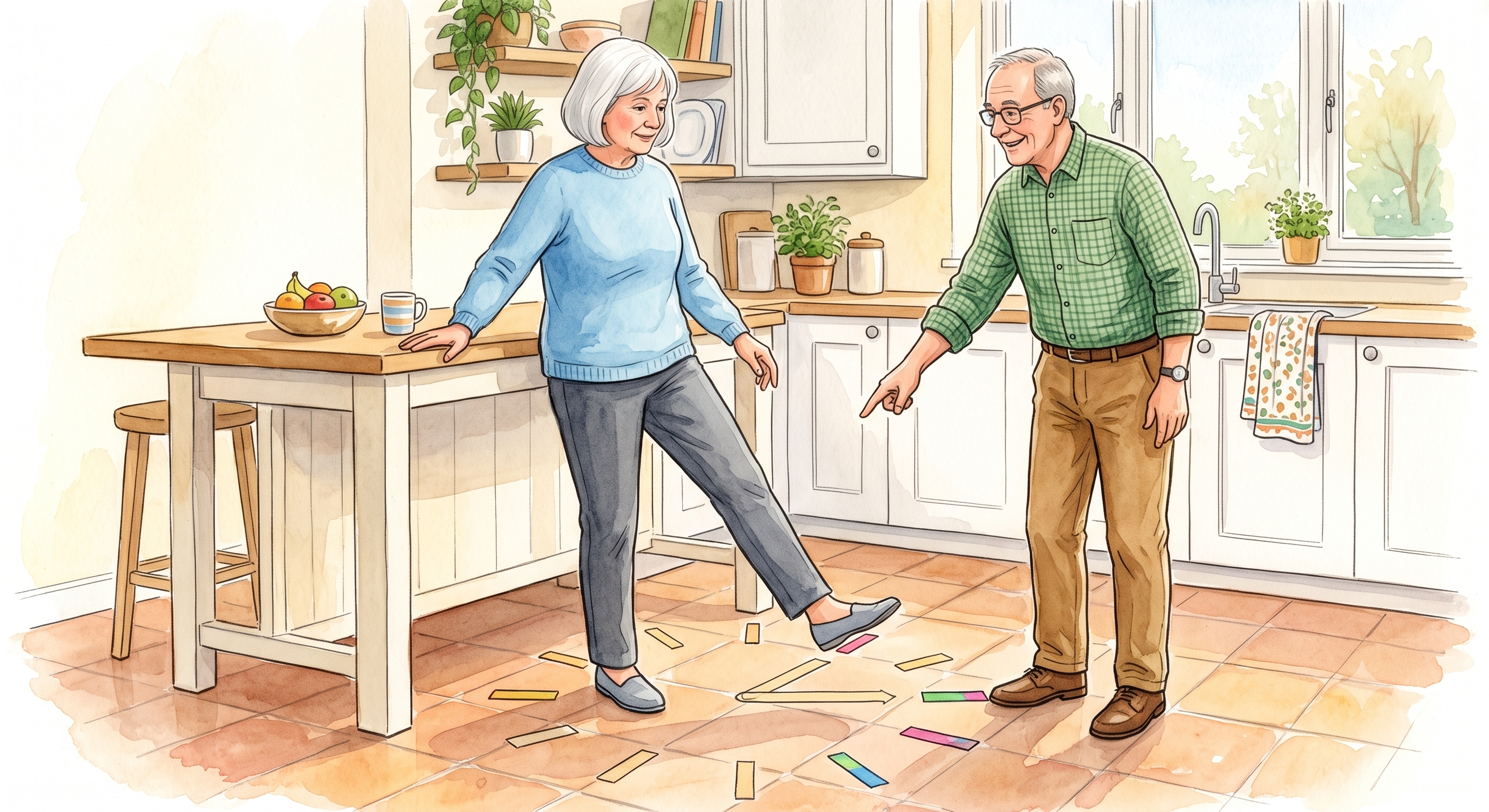
Standing to help prepare lunch, walking into the garden, reaching for clothing or moving between familiar activities can all involve movement when those activities are already appropriate for the person.
Clinical boundaries
Workers continue to follow each person's current support plan, mobility guidance, preferences and organisational procedures. Meaningful Moments does not replace clinical, manual handling or falls prevention guidance.
Want to understand the approach first?
The guide gives managers a simple introduction to the thinking behind Meaningful Moments before deciding whether they want broader support for their service.
Access the free guideA useful next step
You do not need to enrol your whole workforce before starting.
Start with the practical resources. See how they fit your service. Then talk with Robyn if you want help taking the approach further.
From the Senior Home Connection blog
Read more about co regulation, meaningful participation, family support and keeping the person at the centre of everyday decisions.
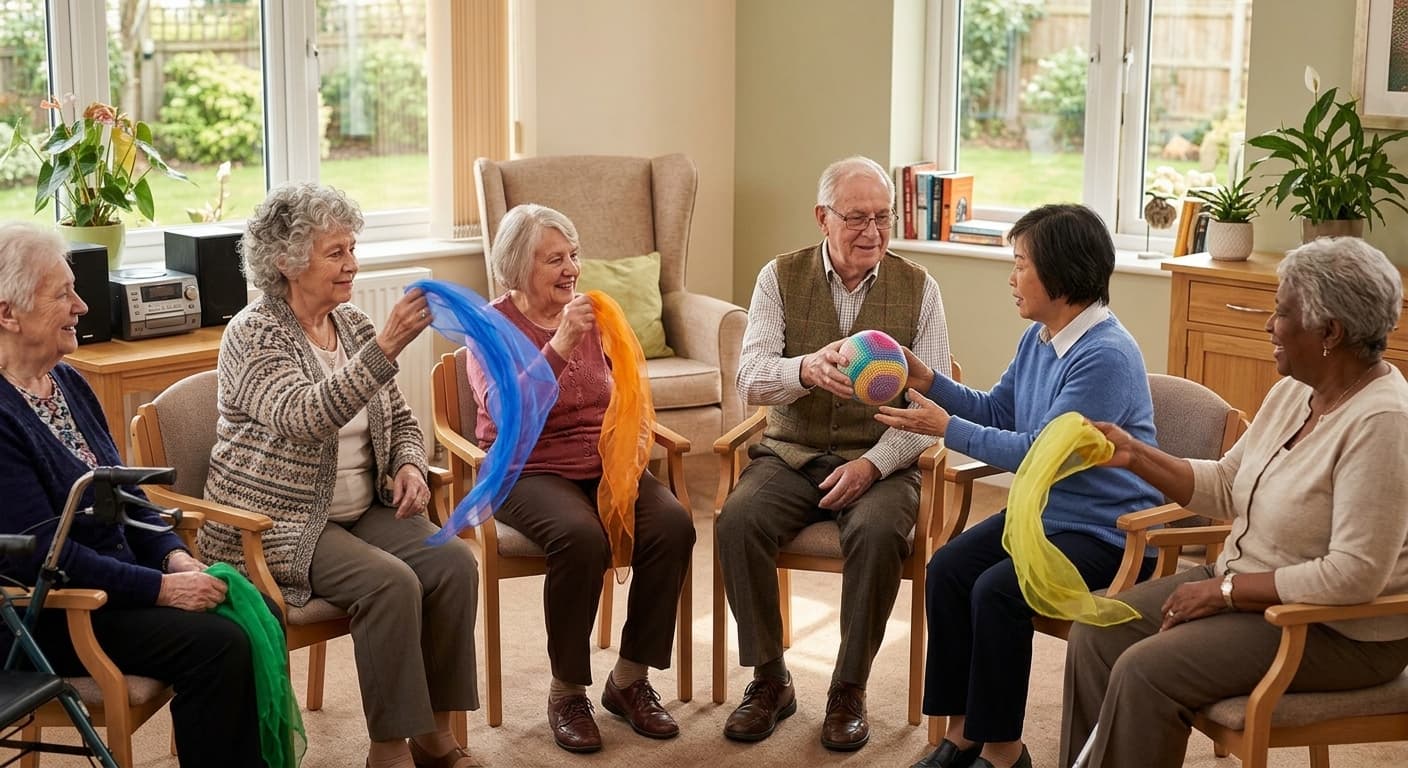
Choice, connection and participation
It can be hard when someone you love keeps saying no to help, movement, activities or leaving the house. Sometimes the most useful response is not to push harder, but to slow down and work out what the no may be telling you.
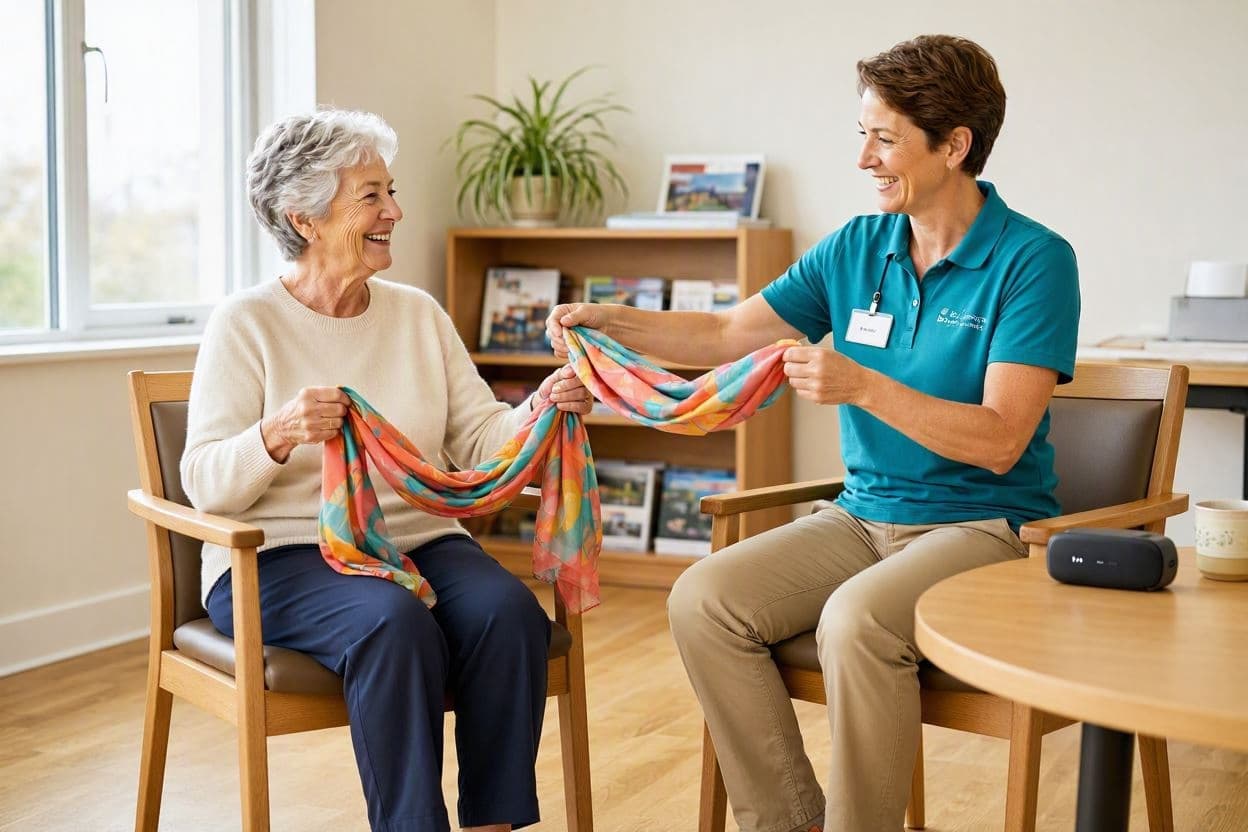
Falls prevention and confidence
Falls prevention is not simply about telling someone to sit down or encouraging them to have a go. Safety, confidence, strength, balance and the person's individual risks all need to be considered together.
Family support and participation
When you care about someone, it is natural to want to make life safer and easier for them. The difficult part can be knowing when to help and when to leave room for them to keep doing things in their own way.
For organisations
You can ask about cards for your service, broader Meaningful Moments implementation, or both. Robyn can prepare a proposal for your organisation to review internally.