Notice the person
Pay attention to changes in communication, body language, energy, comfort and engagement before focusing on the task.
Trauma aware support
There may be times when an older person is frightened, withdrawn, overwhelmed, agitated or simply not able to manage another request.
A trauma aware approach asks us to notice what the person may be communicating and consider what we can change about our support.
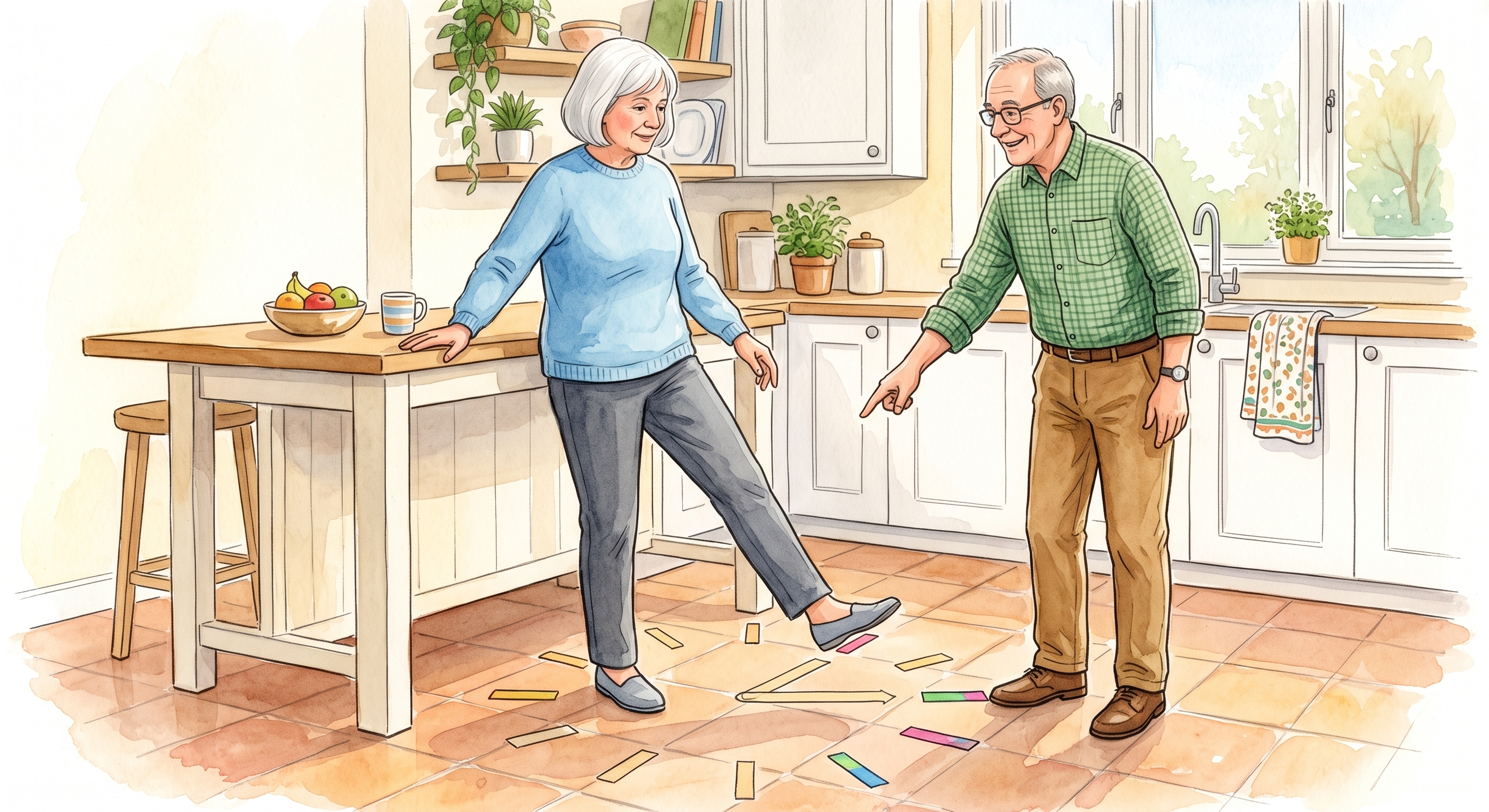
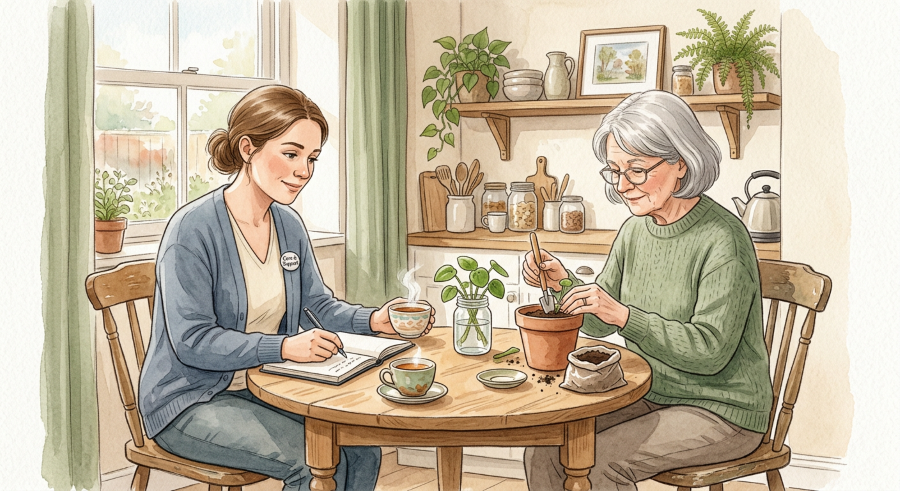
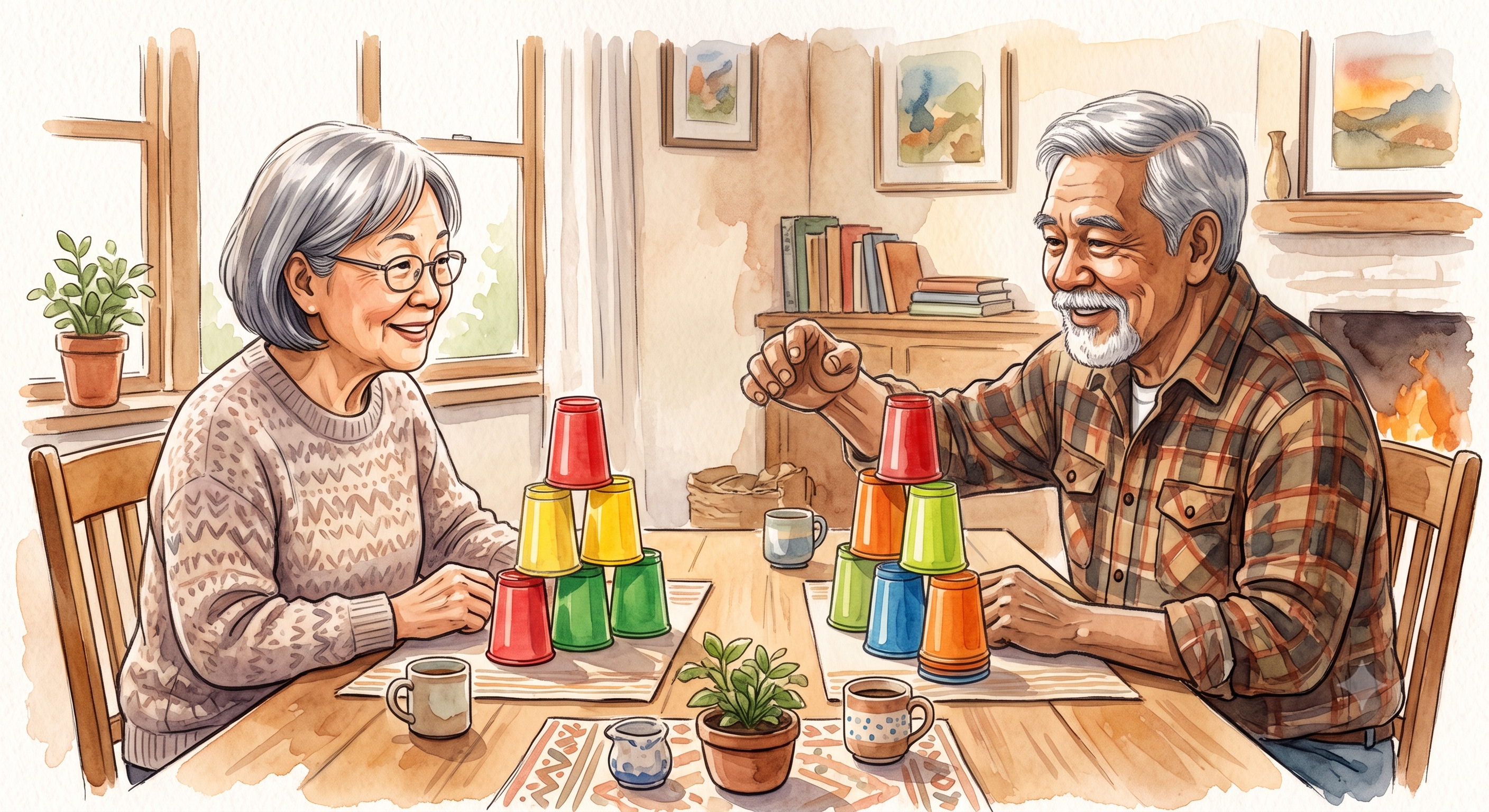
Connection before another demand
A gentler way to respond
Pay attention to changes in communication, body language, energy, comfort and engagement before focusing on the task.
When someone appears overwhelmed or distressed, another instruction or request may not be the most useful next step.
A familiar voice, slower pace, shared activity, music, rhythm, sensory experience or simply staying nearby may be more appropriate.
An idea can be offered without needing the person to complete it. Their response helps guide what happens next.
Behaviour can communicate a lot
Someone may become quieter, repetitive, resistant, angry, frightened, restless or suddenly disengaged.
Those changes do not tell us exactly why the person is responding that way. They can, however, remind us to slow down, notice more and reconsider what we are asking of them.
Ask a different question
What might this person be communicating right now, and what can I change about my approach?
A practical resource
The cards provide practical ideas involving sensory experiences, rhythm, music, movement, familiar objects, nature, conversation and connection.
They are not scripts and they are not only for moments of distress. They can also be used during ordinary, enjoyable time together.
View the Co Regulation Sensory CardsFollow the person
Offer an activity rather than imposing it.
Notice whether the person appears interested or comfortable.
Change the idea when it does not suit.
Stop when the person is showing that they do not want to continue.
Respect preferences, communication and familiar routines.
An important distinction
Many older people using the Co Regulation Sensory Cards may simply enjoy music, movement, conversation, familiar objects or shared activities.
Trauma aware thinking is one part of respectful support. It should not become a label placed on every older person.
When participation feels right
Meaningful Moments helps care organisations strengthen choice, participation, contribution and connection during ordinary support.
The same underlying principle applies. Notice the person first and adapt the support around what they are communicating.
Explore Meaningful Moments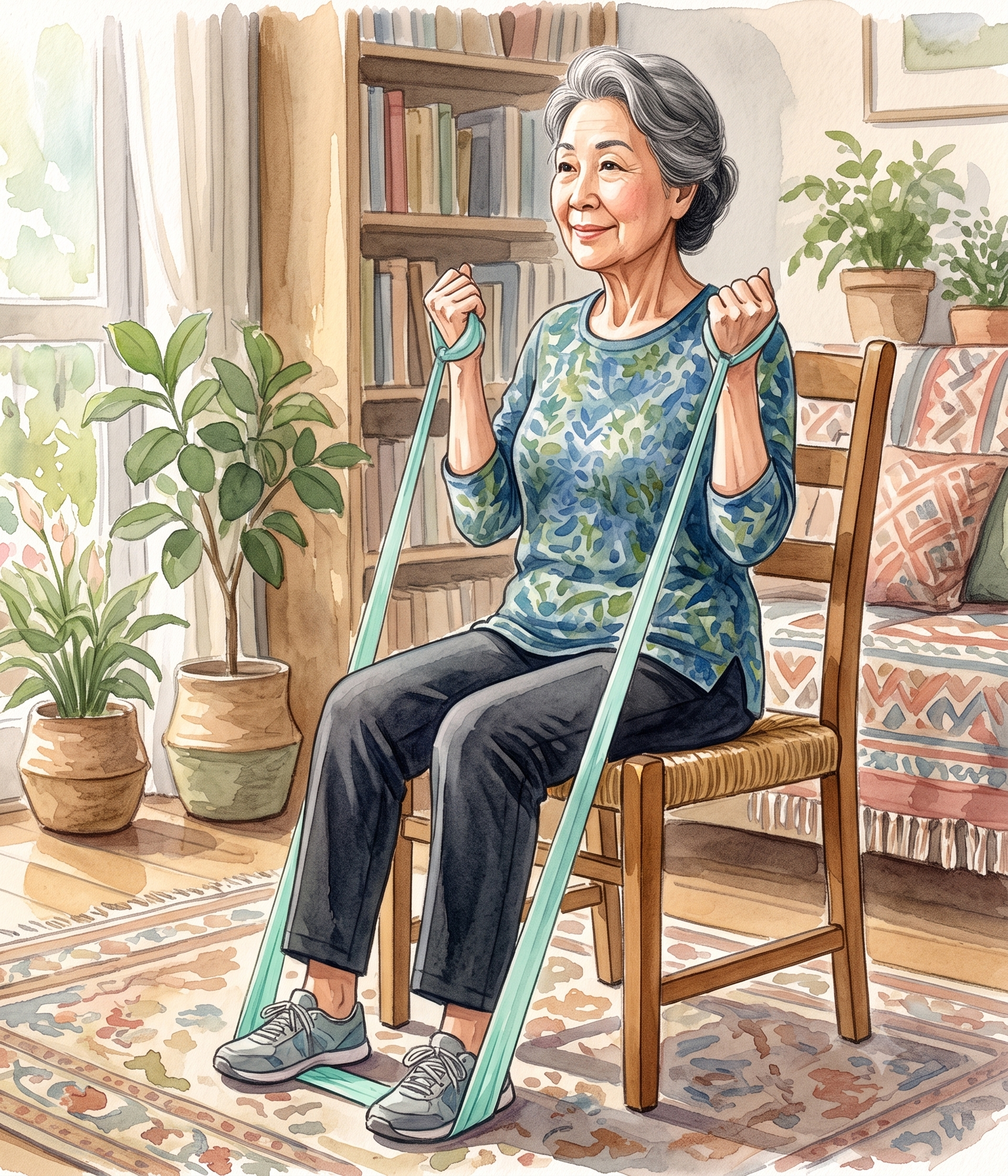
About the approach
Robyn's work has focused for many years on movement, regulation, communication and helping people participate more comfortably in everyday life.
Her thinking about trauma aware care is also informed by lived experience of the lasting effects of childhood trauma.
Nature, music, rhythm, sensory experiences, movement and connection have all influenced the practical ideas used throughout Senior Home Connection.
Scope of this information
Trauma aware information and the Co Regulation Sensory Cards do not replace clinical assessment, individual care planning, safeguarding procedures, emergency responses, behaviour support requirements or an organisation's legal and governance responsibilities.
Practical next step
Start with the Co Regulation Sensory Cards. Organisations that want broader help with everyday participation can then explore Meaningful Moments.