For many years, people have known me for my work with children.
But my career did not begin there.
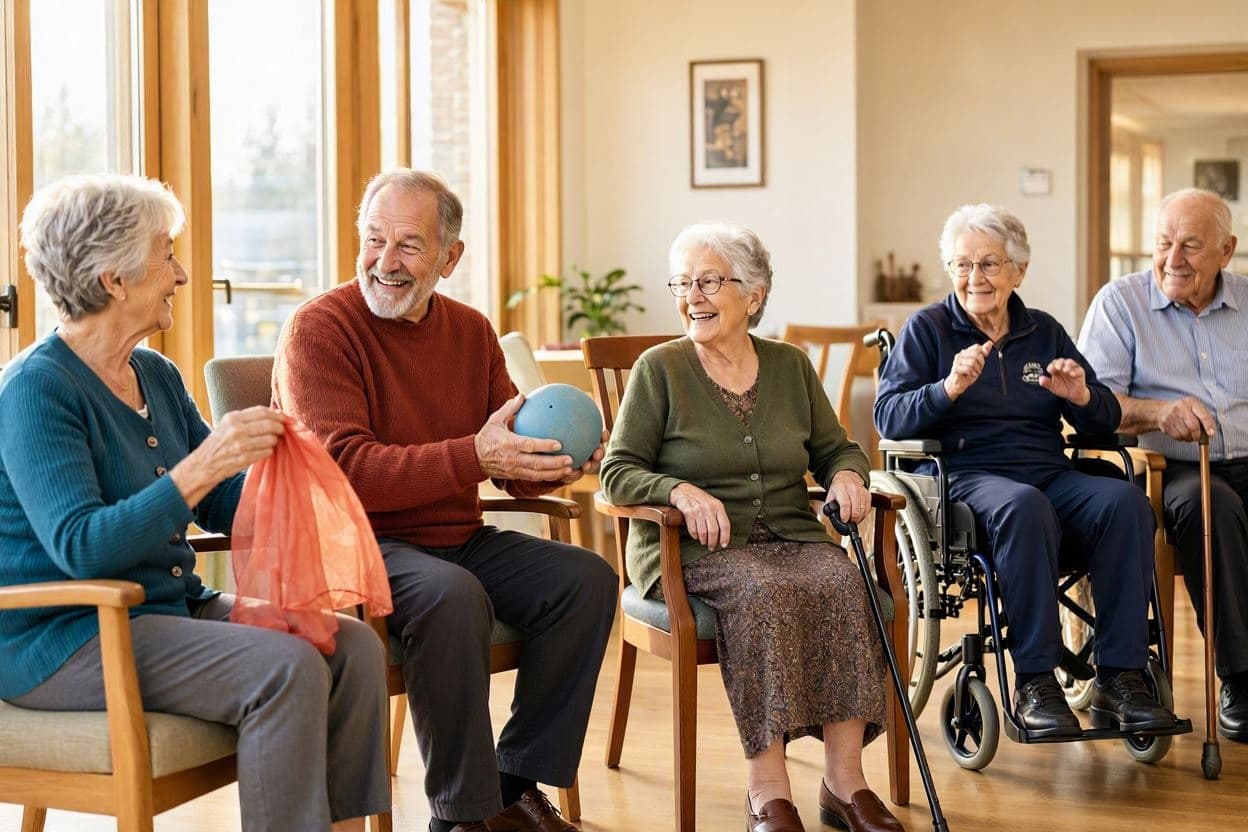
I started my Exercise Physiology career working as a physiotherapy assistant in aged care facilities.
I particularly enjoyed spending time in dementia wings, where movement did not always look like a traditional exercise session.
We used music. We moved together. We brought familiar objects into activities. We played. Sometimes the most meaningful movement happened because somebody was enjoying what they were doing rather than because they had been told to complete an exercise.
Movement can have a purpose without feeling like an exercise session.
Then my work moved into falls prevention
I went on to work in community health and spent years running falls prevention programs.
That work made movement feel very practical to me.
I was thinking about whether someone had enough strength and confidence to get out of a chair, manage a step, walk through their home, recover their balance and keep doing the ordinary things that mattered to them.
Falls prevention was never only about preventing a fall.
It was about what strength, balance and mobility allowed a person to keep doing.
Then I had my twins and my career shifted
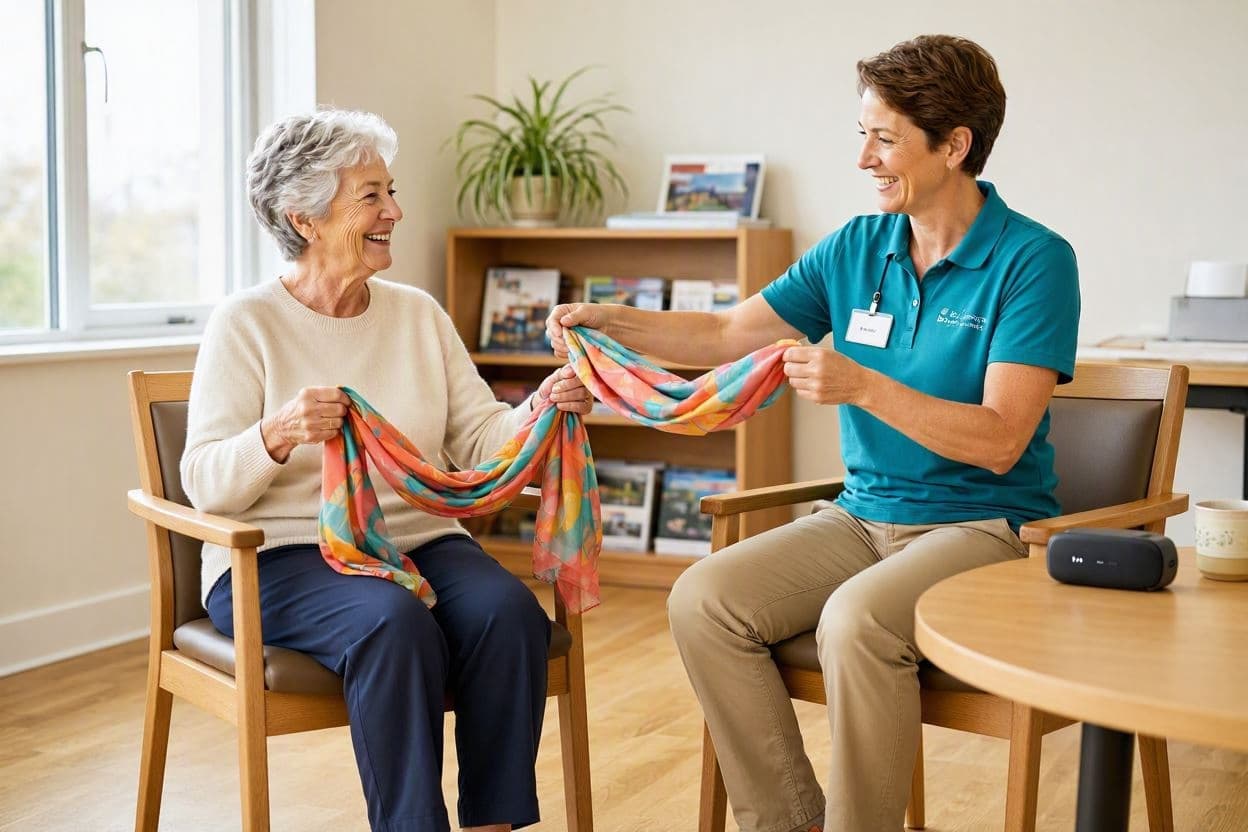
When my twins were born, I started splitting my work between Exercise Physiology and early childhood.
Over time that grew into Play Move Improve, and much of my work became focused on children's movement, development, regulation and participation.
I spent years thinking about jumping, climbing, balance, core strength, coordination and how confident children felt using their bodies.
At first those two parts of my career could have looked quite separate.
One involved children learning how to move through playgrounds, classrooms and early learning environments.
The other involved older adults maintaining strength, mobility and confidence in their homes and communities.
But the longer I worked across the lifespan, the more I realised that the idea underneath both areas was remarkably similar.
Movement helps people participate in their lives.
I see the two ends of the lifespan differently now
Recently I wrote about why I still want children to jump.
When I watch a child jump, I see leg strength, balance, coordination and confidence.
But because I have also worked with older adults, I cannot help thinking about the other end of that story.
I think about standing from a chair, managing steps, recovering balance, walking outside and continuing to do the things that make everyday life feel like your own.
A child jumping and an older adult standing from a chair are obviously not the same physical task.
But the deeper principle connects them.
We need our bodies to give us access to our lives.
Coming back to older adult work feels familiar
Senior Home Connection feels less like starting something new and more like bringing parts of my career back together.
I still care about strength, balance and falls prevention.
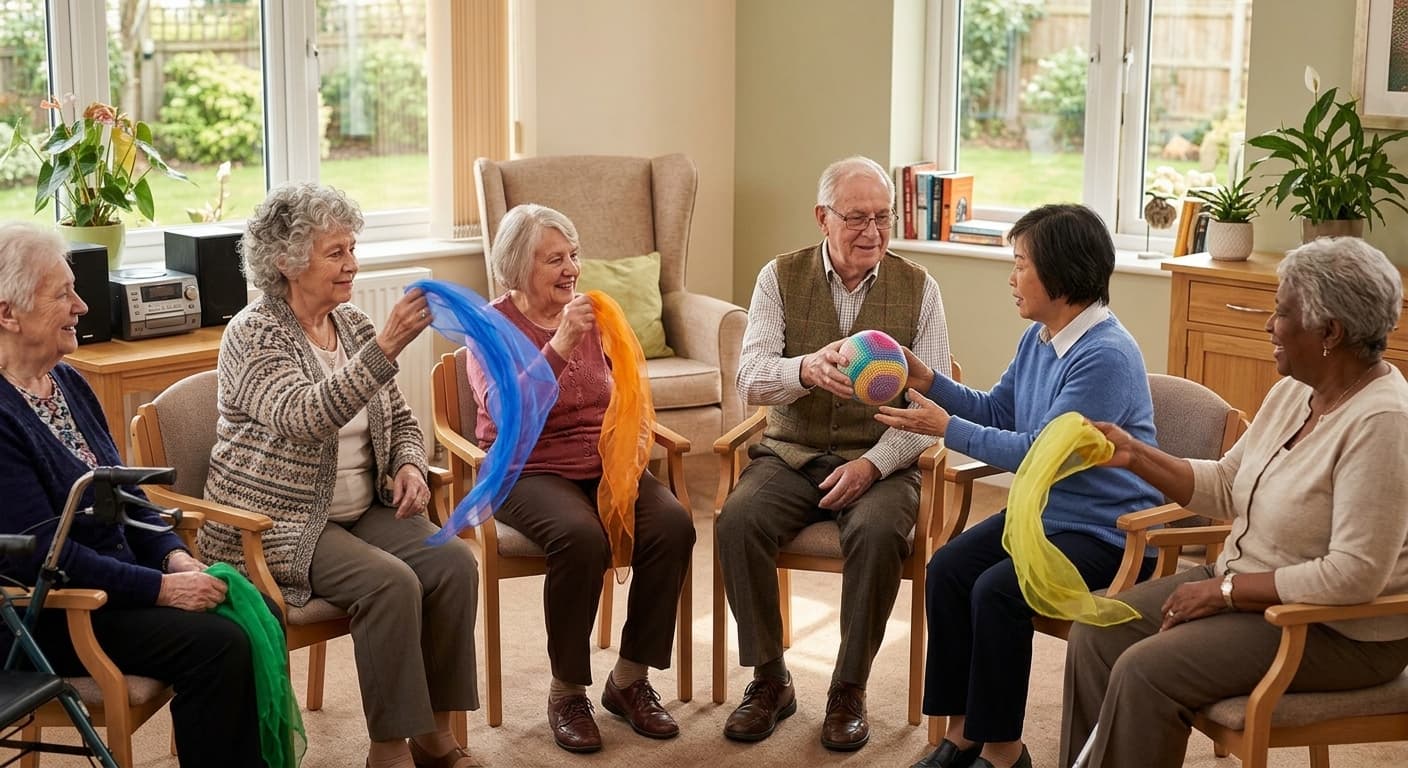
But I also think much more deeply now about enjoyment, sensory experiences, music, confidence, choice, connection and whether the movement actually has meaning for the person.
That is something I learnt in those dementia wings early in my career, and it is something my years working with children have reinforced.
People are more likely to engage when what we are asking them to do feels achievable, relevant and worth doing.
This is also why I do not want to hand every older adult the same exercise sheet
One person may want enough strength and confidence to walk down the back steps and reach their garden.
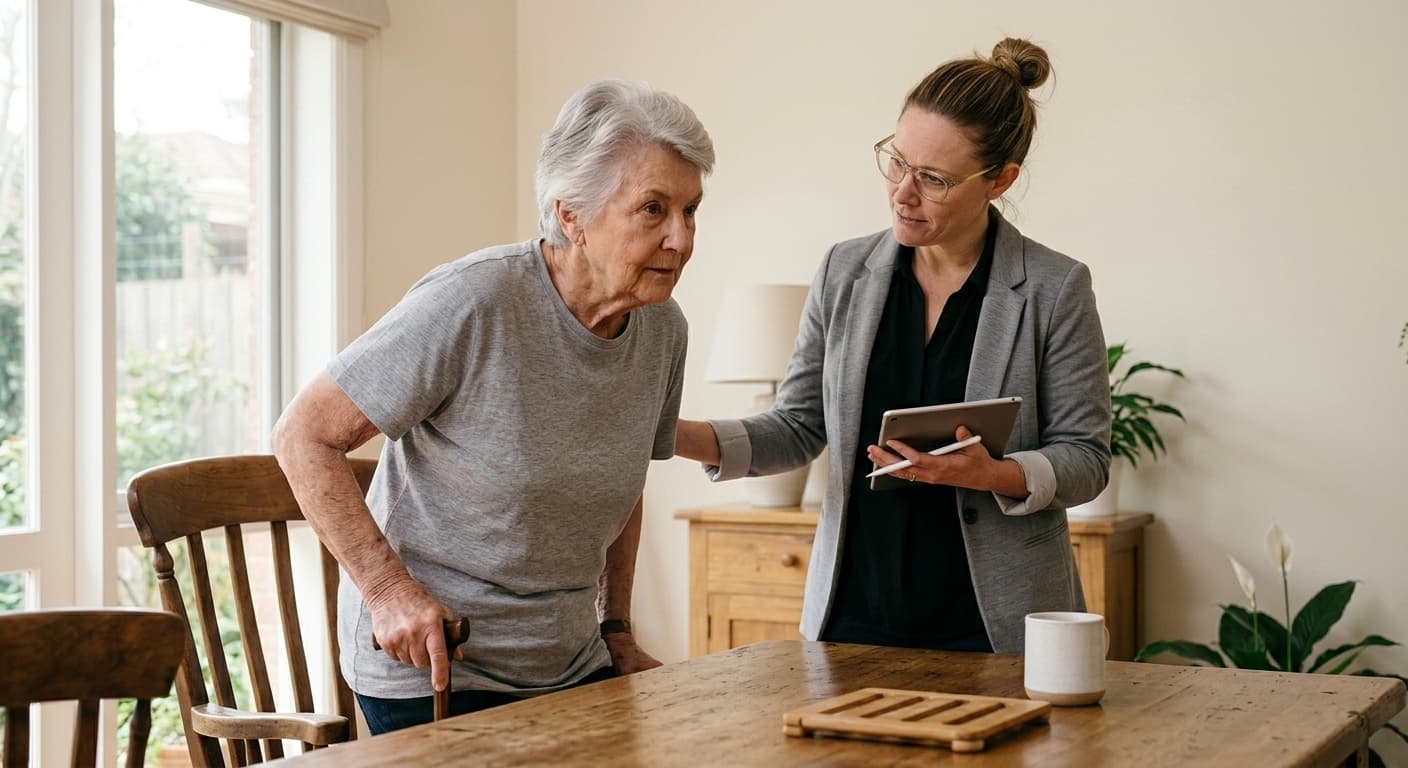
Another may be worried about getting out of a low chair.
Someone else may notice that shoulder stiffness is making dressing harder, or that reduced balance confidence is changing where they are willing to go.
The movement goal needs to make sense for the individual.
That is why I created Your Personal Exercise Physiology Pack.
It gives me a way to select movement around the person rather than trying to make the person fit a generic exercise program.
I do not think movement should disappear at either end of life
In my children's work, I talk a lot about protecting opportunities to move.
Children need time to run, jump, climb, balance and learn what their bodies can do.
I think we need the same protective mindset as people get older.
That does not mean everybody needs to exercise in the same way or chase a particular fitness goal.
It means continuing to value the strength, balance, mobility and confidence that help a person participate in their own life.
Sometimes that participation is walking to the garden.
Sometimes it is getting out of a favourite chair.
Sometimes it is playing with a grandchild, going to the shops, moving to familiar music, preparing a cup of tea or feeling confident enough to leave the house.
This is the bigger picture for me
I have spent years thinking about children jumping, climbing, balancing and learning to trust their bodies.
Before that, I spent years thinking about falls, strength, confidence and what helps an older person keep moving through their own home and community.
I no longer see those as two separate areas of work.
At every stage of life, movement gives us access to something.
It may give a child access to the playground.
It may give an older adult access to their garden.
It may help someone stand up, walk outside, join a group, prepare their own drink or simply feel more confident moving through their day.
We need to protect that across the whole lifespan.
That is what I want Senior Home Connection to be about.
Keep exploring
This article provides general educational information and is not intended as an individual exercise prescription. Movement should be appropriate to the person's health, abilities, environment and level of support required.